Step 1: Find an Agent
Interview a few experienced local agents, they will serve as an advocate for you and your interests throughout the homeselling process. Pick someone familiar with the housing market and the neighborhoods.
Your Guide to Selling your Home with Confidence and Success
Interview a few experienced local agents, they will serve as an advocate for you and your interests throughout the homeselling process. Pick someone familiar with the housing market and the neighborhoods.

Make improvements, stage your home, and prepare for showings. Use professional photos and create a marketing plan. Be sure to thoroughly clean before listing your home for sale.
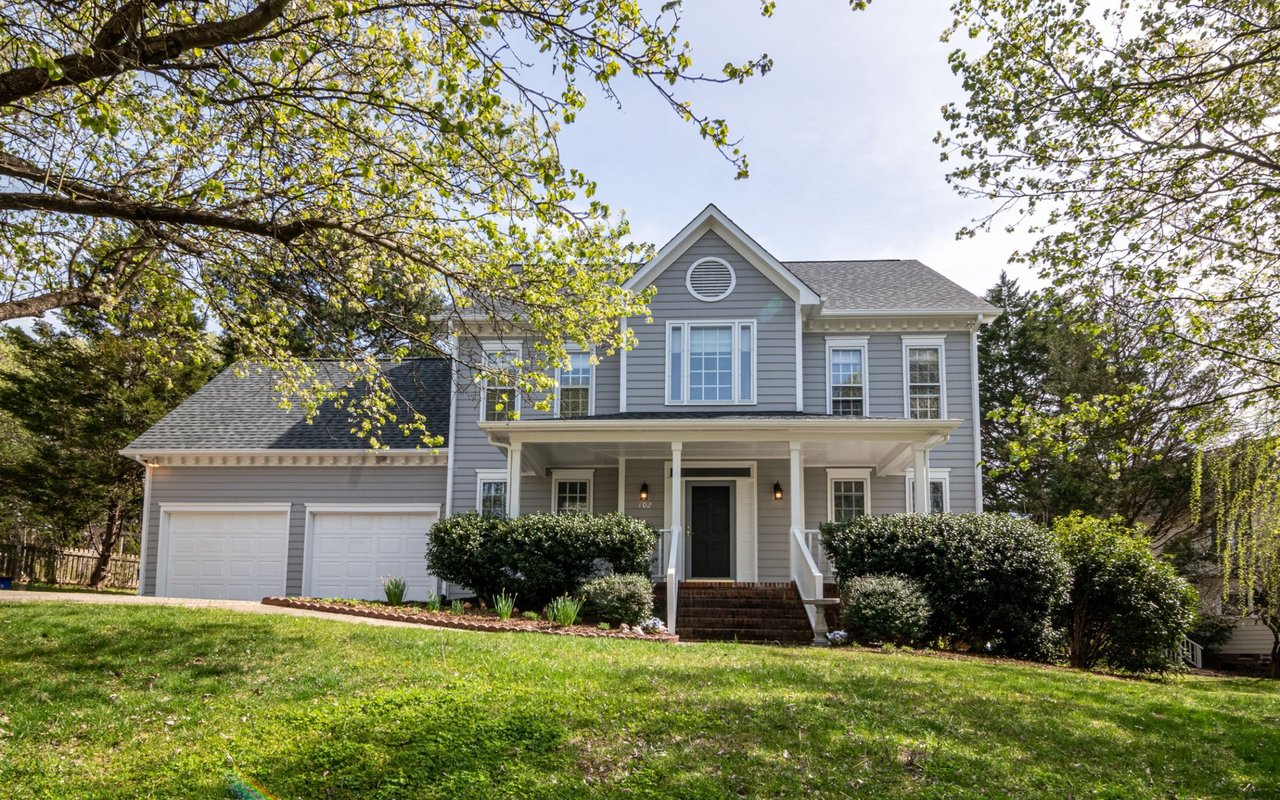
Work with your agent to have a photographer capture marketing photos of your home. The photos, price and property description are the three things that can persuade buyers to view your home.
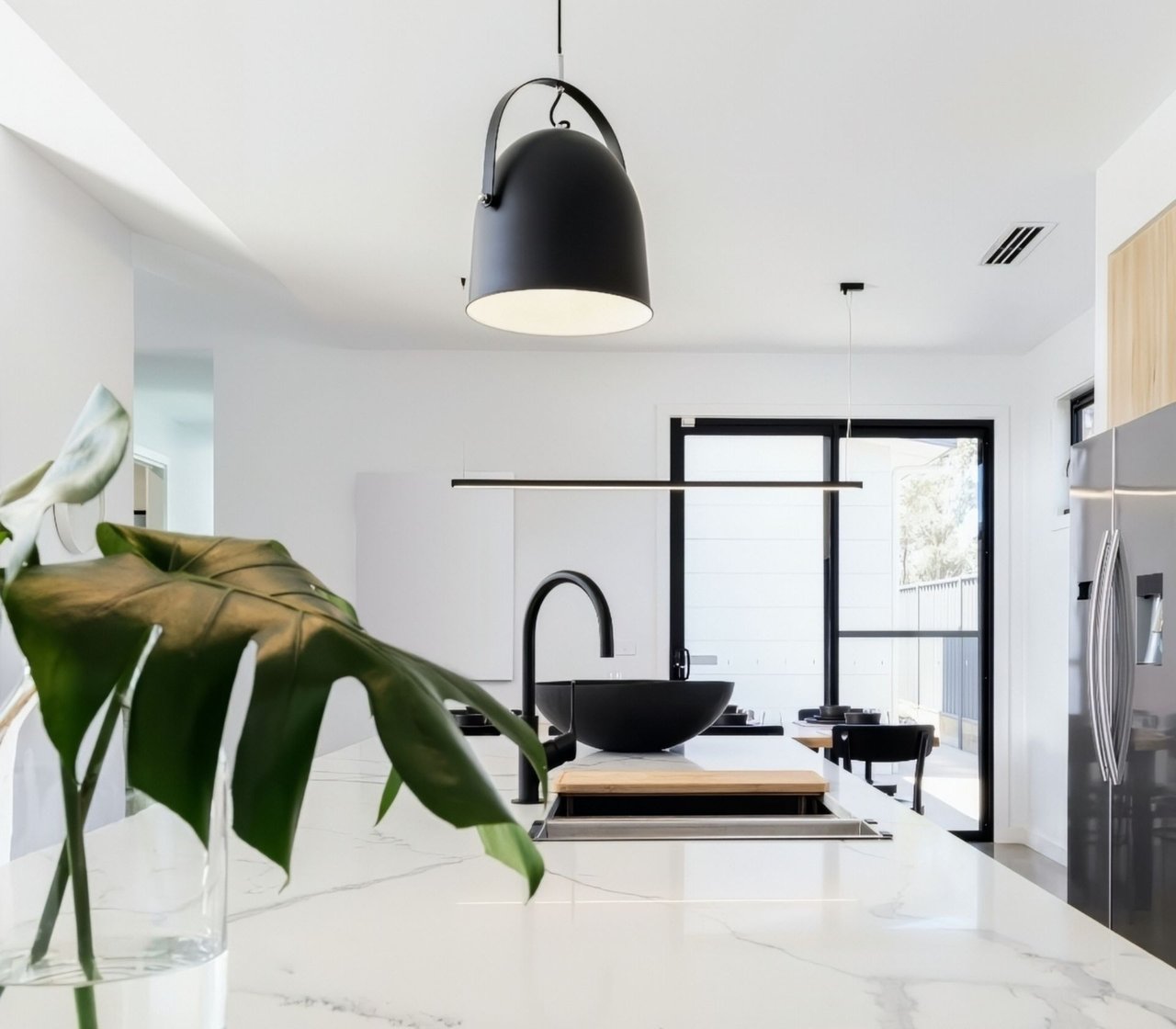
Once a potential buyer submits an offer on your home, you and your agent can propose a counteroffer if you want. The counteroffer process can go back and forth until you reach an agreement
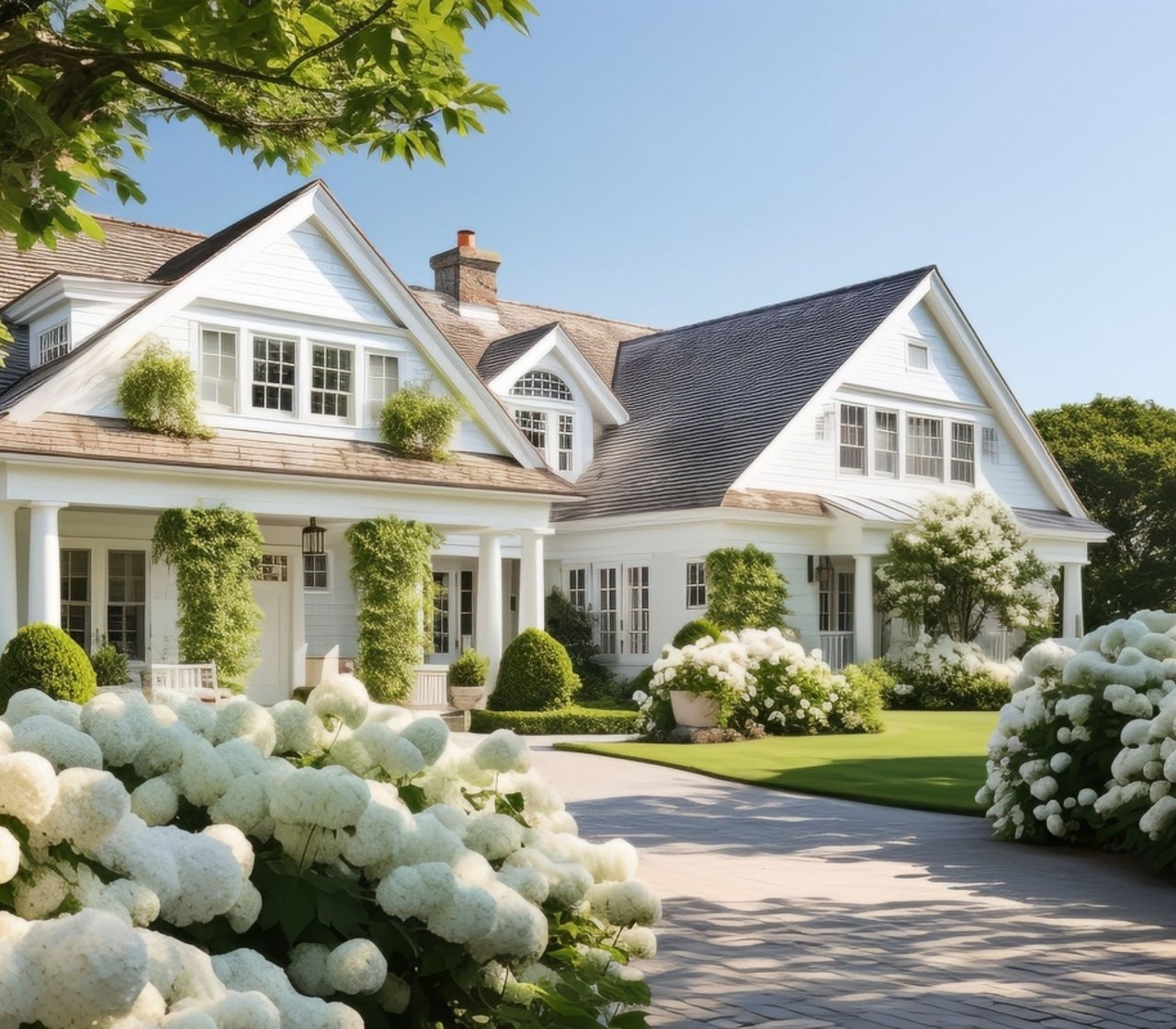
The buyer will revisit your home for a final visual inspection a few days before closing. Your real estate agent to ensure your home is presented in the same condition as the buyer agreed to purchase it in.
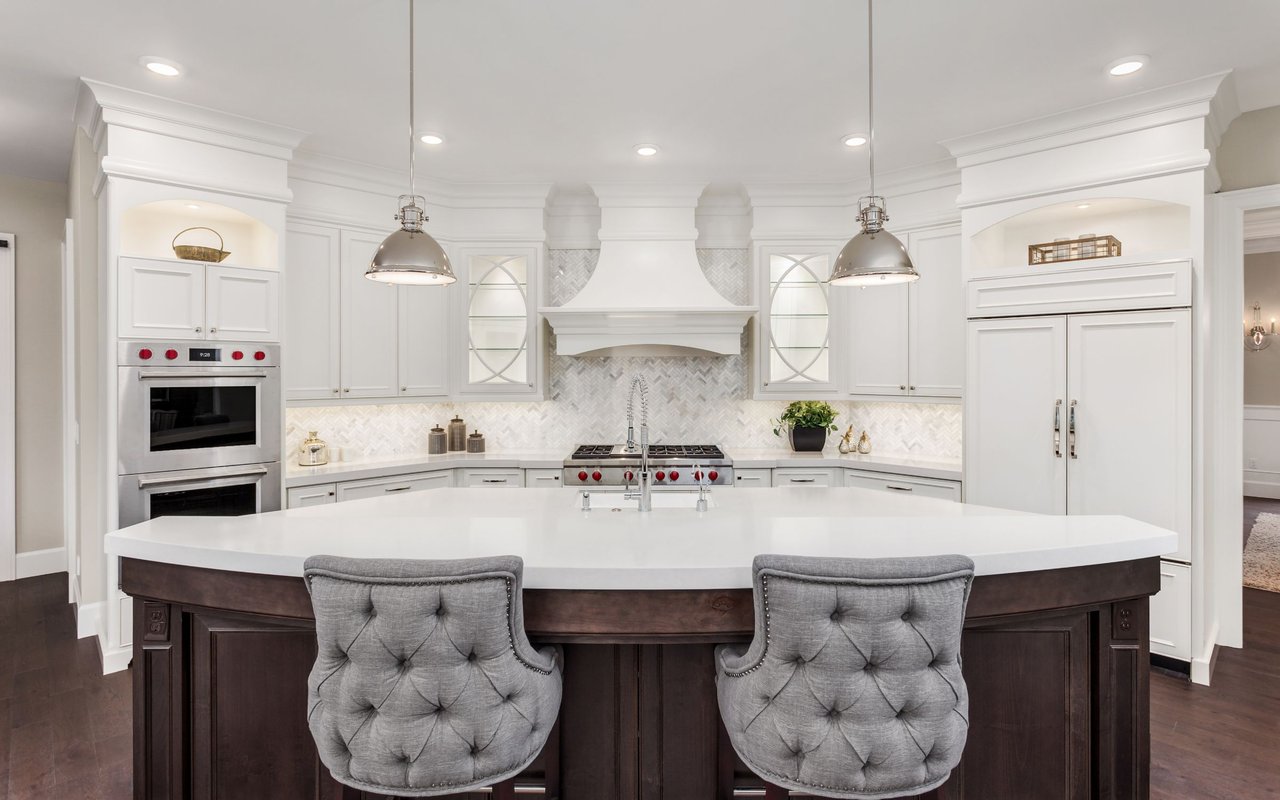
The closing process can take a couple of days or even a week. Once the transaction is complete, the buyer receives the keys and officially takes possession of the property.
You have the freedom to select the real estate professional who best fits your needs and to negotiate all terms, including services provided and compensation
With years of experience in real estate, I’ve guided clients through all types of markets and situations. You can count on me to handle every step with professionalism.
I hold professional certifications as a real estate agent in both NJ and PA. You’re working with someone who’s trained to protect your best interests.
I know the neighborhoods, school districts, market trends, and what makes each area unique. This local insight helps you make confident, well-informed decisions.
I’m responsive, dependable, and here for you when it matters most. I take pride in staying available and keeping you informed throughout the entire process.
During yourfirst meeting, it’s helpful to give your agent a complete picture of the property’s history,condition, and features – this helps avoid surprises later and strengthens your position in the market.
Start by discussing the overall condition of the home, including the yearit was built and any major renovations or updates you’ve done overthe years. Next, share any unique features that might not be obvious at first glance, such as smart home technology, soundproofing, and solar panels. Finally, tell your agent about your average utility costs and what it’s like to live in the home.
Ready to sell? Let’s price your home right and attract serious buyers fast!
Setting the right asking price from the beginning is crucial — overpricing can lead to fewer showings, an extended time on the market, and ultimately lower offers. A well-priced home generates more interest, often leading to quicker sales and multiple offers.
A home’s location is one of the biggest influences on its sale price, including proximity to schools, transportation, shopping, and low- crime areas. Desirable neighborhoods often command higher prices due ot their convenience, safety, and lifestyle appeal.
Well-maintained homes with recent upgrades and no major repair needs usually sell for more than similar homes in poor condition. Buyers are willing to pay a premium for move-in- ready properties that require little-to-no immediate work.
In a seller’s market, where demand exceeds supply, homes tend to sell faster and for higher prices. In contrast, a buyer’s market can lead to lower offers and longer selling times due to increased competition.
Larger homes with functional floor plans, ample bedrooms, and updated kitchens or bathrooms typically attract higher prices. Usable space, such as finished basements or open- oncept living areas, adds more value.
AGENT COMMISSION
The largest cost for most sellers is the real estate agent commission, typically 5% to 6% of the sale price. This amount is usually split between the listing agent and the buyer’s agent.
MOVING EXPENSES
Don’t forget to budget for moving costs. This includes hiring movers, renting a truck, buying packing supplies, and possibly storing your belongings temporarily.
REPAIR AND IMPROVEMENTS
Many sellers invest in repairs or cosmetic updates before listing. This could include painting, fixing leaks, or upgrading fixtures.
MORTGAGE PAYOFF
If you still owe money on your mortgage, the remaining balance will be paid off at closing. This amount will be subtracted from the sale proceeds.
BUYER CREDITS
Optional, but sometimes offered after inspection to cover requested repairs or closing costs.
PROFESSIONAL PHOTOGRAPHY
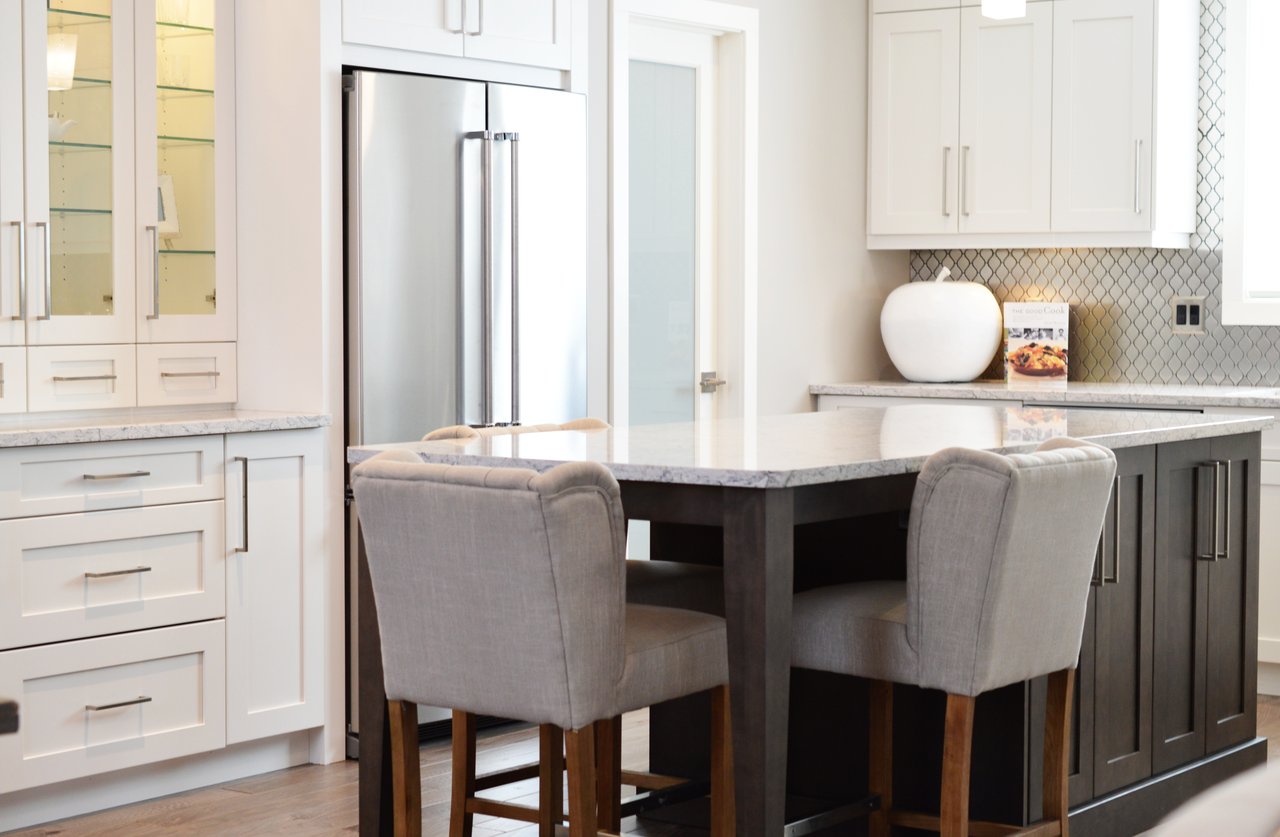
I hire a professional photographer to capture bright, high-quality images – and when needed, video walkthroughs or drone footage – to showcase your home in the best light online and in print. Great visuals help your listing stand out and attract more buyers.
ONLINE EXPOSURE
Your home will be listed on the Multiple Listing Service (MLS) and syndicated to top real estate websites like Zillow, Realtor.com, Redfin, and Homes.com. I’ll also promote it through social media platforms and targeted online ads to reach active buyers searching in your area.
PRINT & LOCAL MARKETING
In addition to digital efforts, I use proven print marketing like just listed postcards, flyers, and neighborhood letters, to reach local buyers and neighbors who may know someone looking to move nearby. Sometimes a buyer is closer than you think – especially in tight-knit communities.
AGENT-TO-AGENT NETWORKING
Sometimes the right buyer comes from another agent’s network. I actively promote your listing to my connections through broker emails, private agent groups, and local real estate networks, making sure your home gets in front of agents who may have qualified buyers ready to act.
Negotiation is a key part of the selling process, and it begins the moment you receive an offer. As the seller, you have the right to accept, reject, or counter any offer that comes in. It’s important to review each offer carefully – not just the price, but also the financing terms, contingencies, proposed closing date, and any special requests.
Be prepared for negotiation after the inspection, too. Many buyers request repairs or credits once they receive their inspection report. At that point, you can choose to make the repairs, offer a credit at closing, or hold firm. Your agent will help you assess which requests are reasonable and how to respond strategically. The key is to stay flexible, but firm on your priorities, and remember – every part of the contract is negotiable, not just he price.
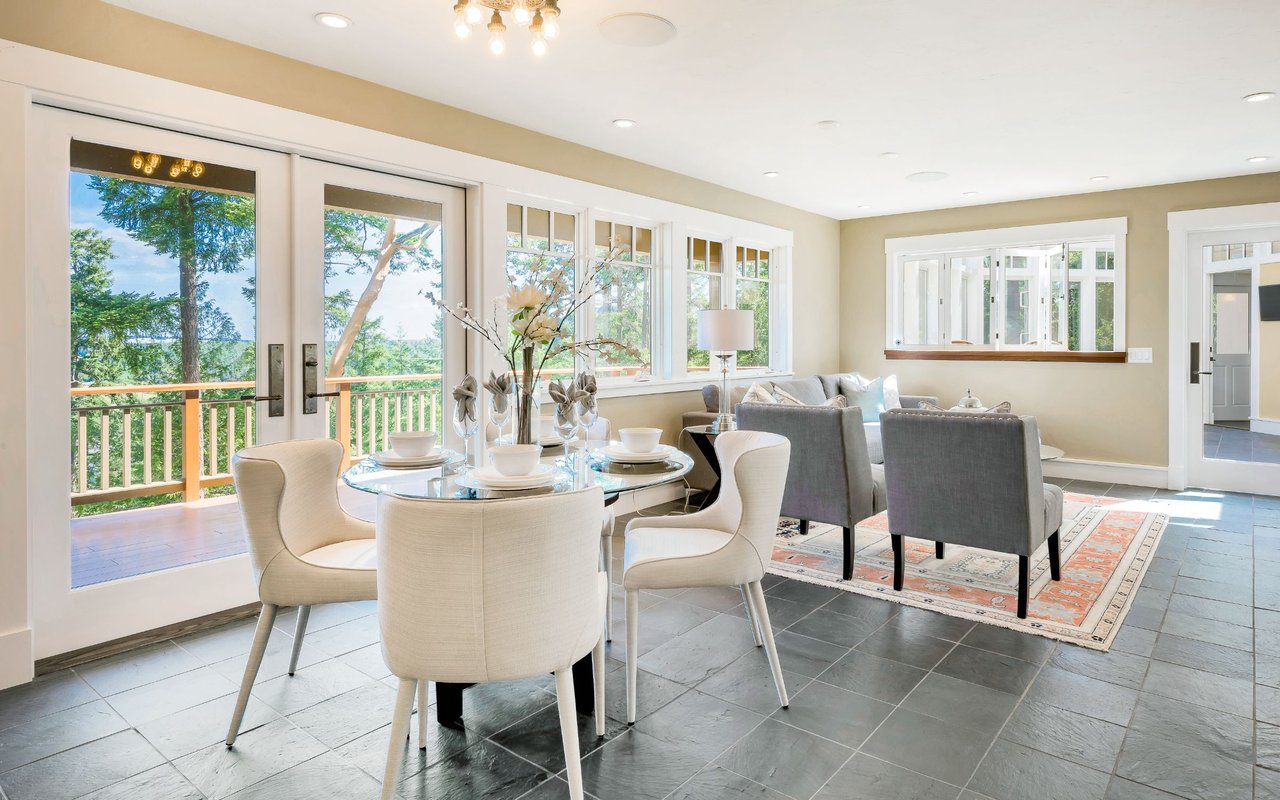
Reviewing offers is one of the most exciting parts of selling your home, but it’s important to stay objective and focus on more than just the highest price. Take time to review each offer with your real estate agent and compare all terms, including contingencies, financing type, closing timeline, and buyer flexibility. A slightly lower offer with fewer risks or a quicker closing date might be more valuable than a higher offer with multiple contingenices.
Look closely at the buyer’s financial strength: are they pre-approved or just pre-qualified? Is the down payment solid? Cash offers typically mean fewer delays, while financed offers require appraisal and lender approval. You'll also want to examine the inspection and appraisal terms, and whether the buyer is asking for repairs or credits upfront. Some offers may include an escalation clause – meaning the buyer is willing to outbid other offers by a set amount, up to a maximum
Lastly, consider the buyer’s level of commitment: Have they included a strong earnest money deposit? Do they seem flexible or demanding? Your agent will help you weigh the pros and cons of each offer and may suggest countering to improve terms. The goal is to choose the offer that gives you the best balance of price and smoothness of transaction.
59 N Main St Mullica Hill, NJ 08062
59 N Main St Mullica Hill, NJ 08062