If you are trying to get a feel for Swedesboro before you buy, one question matters more than almost anything else: what does the housing actually look and feel like from block to block? In a small borough like Swedesboro, neighborhood character is shaped by history, lot sizes, zoning, and the fact that most of the town was built long ago rather than all at once. If you want a clearer picture of what to expect, this guide will walk you through the home styles, development patterns, and buyer takeaways that stand out in Swedesboro. Let’s dive in.
Swedesboro Has A Layered Housing Mix
Swedesboro does not read like a one-era subdivision town. According to the borough’s 2025 housing element, the borough had 984 total housing units in 2023, with 910 occupied units and 74 vacant units. The data points to a community that developed over time, with a mix of detached homes, attached housing, and a limited amount of apartment stock.
Single-family detached homes make up 52.2% of the housing stock, while single-family attached homes account for 24.6%. The rest is spread across smaller multifamily buildings and a small number of larger apartment structures. That mix gives you more variety than you might expect in a borough of this size.
The homes themselves also tend to be practical in size. The median number of rooms is 6.3, and nearly three-quarters of homes have at least six rooms. If you are looking for a town where the housing stock includes both starter-friendly options and larger detached homes, Swedesboro offers that range.
Older Homes Shape The Borough’s Identity
One of the biggest things to understand about Swedesboro is that the housing stock is older overall. The median year built is 1964, and about 40.2% of units were built in 1939 or earlier. By contrast, only 4.6% of units were built in 2010 or later.
That age profile matters because it influences what you see in the streetscape. Instead of block after block of recent construction, you are more likely to find homes built across several different periods, including older houses near the borough core and later construction waves in the 1960s, 1980s, and 2000s. The result is a town with a more layered look rather than a uniform one.
For buyers, that often means more variation in design, layout, and lot configuration. Two homes on the same general stretch may have very different ages, footprints, and exterior styles. If you value character and do not want every property to feel the same, that is part of Swedesboro’s appeal.
Kings Highway Anchors Historic Character
Swedesboro’s historic identity centers on Kings Highway and the borough core. The borough describes the downtown area as a walkable shopping district with shops, dining, historic sites, and recurring community events. That helps explain why the center of town tends to carry a more traditional small-town feel.
The local historic inventory supports that character. Listed sites in Swedesboro include the John C. Rulon House, Richardson Avenue School, Trinity Church, and the Mortenson/Van Leer Log Cabin. Borough Hall also adds to that historic fabric, with the borough noting it was built in 1915.
For you as a buyer, the practical takeaway is simple: if you are drawn to older homes and a more established setting, the borough center and Kings Highway corridor are likely the first places to study closely. Those areas are tied most directly to the town’s historic development pattern. In many cases, that translates to an older residential grid and a more traditional main-street backdrop.
What Home Styles You’re Likely To Find
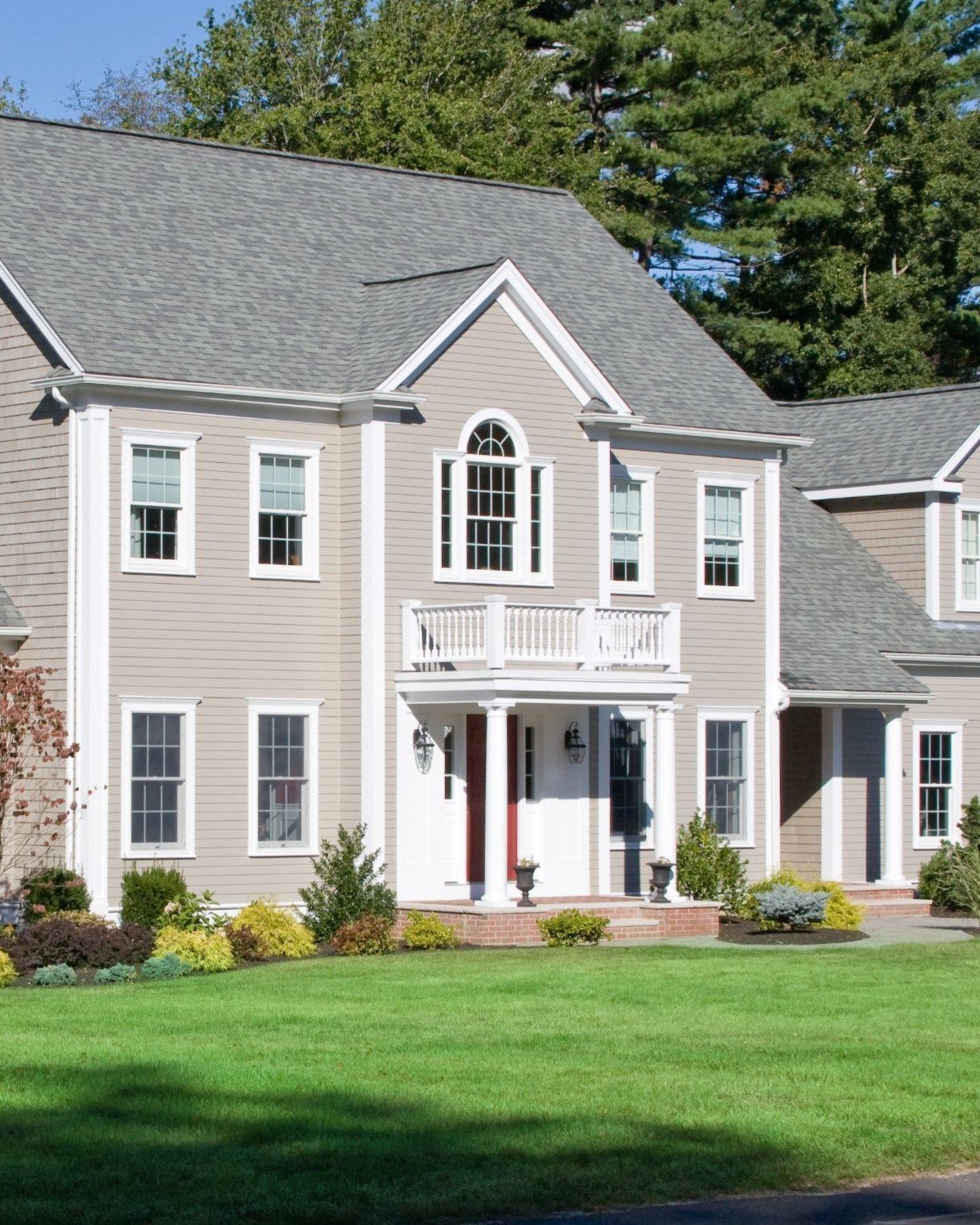
Swedesboro is not defined by one single architectural type, but the housing mix gives some clear clues about what you are most likely to encounter. Because detached homes make up the largest share of the stock and a large portion of homes were built before 1940 or during later mid-century waves, the town tends to offer a blend of older detached houses, attached homes, and some apartment-style living.
In practical terms, your search may include:
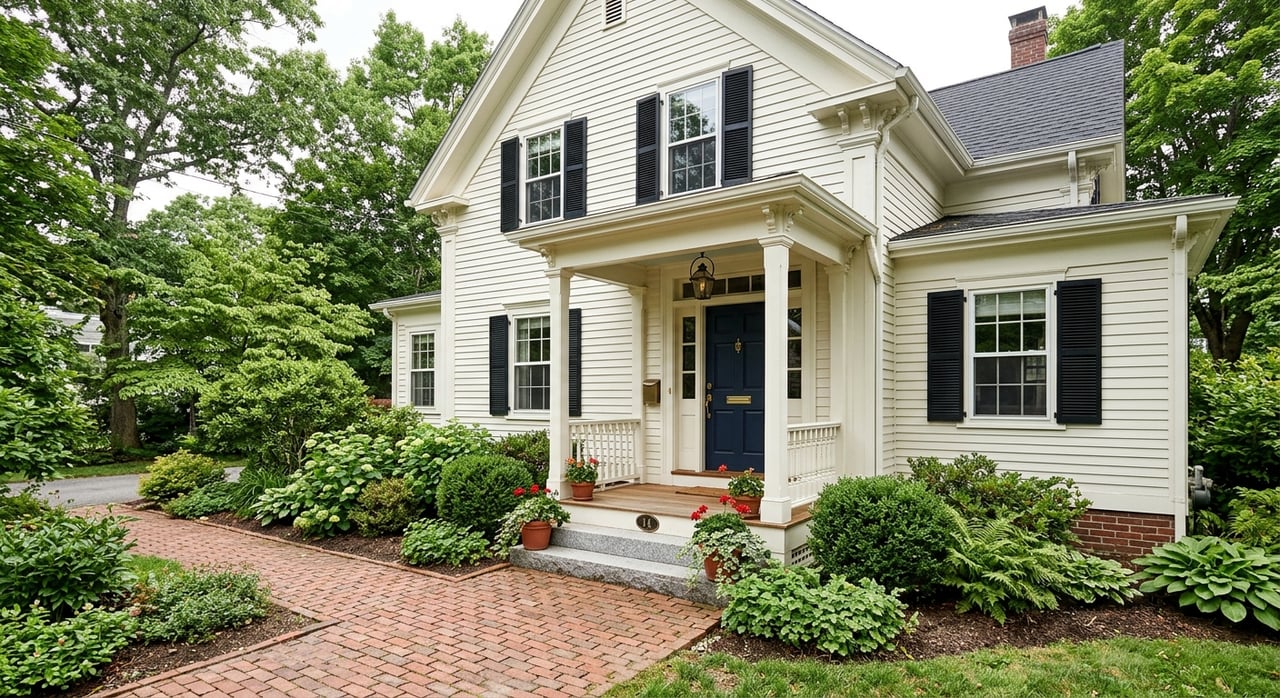
- Older detached homes near the borough core
- Attached or semidetached housing in denser residential areas
- Small multifamily or garden-apartment style options in select sections
- Planned multifamily or townhouse-style development in specific sites allowed by zoning
This is helpful if you are comparing Swedesboro to nearby communities with more uniform housing. In Swedesboro, your options may feel more mixed and location-specific, which makes neighborhood-level guidance especially important.
Zoning Helps Explain Neighborhood Feel
A big part of neighborhood character comes from zoning. Swedesboro’s zoning ordinance divides the borough into six districts: R-1, R-2, R-3, C, LM, and HC. For homebuyers, the most useful districts to understand are the residential ones because they help explain why one area feels more spread out and another feels more compact.
R-1 Areas Tend To Be Lower Density
In R-1, single-family detached dwellings are allowed. The minimum lot area is 7,200 square feet per family when served by borough sewer, or 12,000 square feet without sewer. Lots must have at least 60 feet of frontage, and the district also includes setback and coverage standards that support a more traditional detached-home layout.
If you are picturing modest-lot single-family neighborhoods, R-1 is where that pattern fits best. These standards generally point to lower-density residential blocks with more separation between homes than you would see in denser districts.
R-2 Allows More Housing Variety
R-2 is more flexible. It allows two-family detached dwellings, semidetached dwellings, multiple dwellings, and garden apartments. The lot-area standard is 3,000 square feet per family, with narrower width requirements for some housing types.
That matters because R-2 can support a tighter, more mixed residential pattern. If a section of town feels denser or includes more attached or multifamily-style housing, the zoning framework helps explain why.
R-3 Supports Larger Planned Projects
R-3 is the borough’s higher-density residential district. It allows apartment buildings, townhouses, and grouped buildings, but only on a tract of at least three acres. The district also has larger perimeter yard requirements and more detailed development controls.
For you, this means townhouse or apartment-style options are more likely to appear in planned sites rather than as scattered one-off projects. That is a different feel from a town dominated by broad suburban subdivision growth.
New Construction Is Limited
If you are specifically shopping for newer construction, Swedesboro is a market where expectations matter. The borough’s 2025 housing plan states that from January 2014 through November 2024, building permits authorized just 13 housing units total. Most of those permits were for single- and two-family homes, while only two multifamily permits and one mixed-use permit were issued in 2024, and six units were demolished during that same period.
The main point is that recent growth inside the borough has been limited. Swedesboro is largely built out, so newer housing is not showing up in large numbers across the map. You are more likely to see newer or planned development tied to specific sites rather than broad waves of new-home construction.
Where Newer Development Tends To Cluster
When newer residential development does appear, it tends to be concentrated in planned or redevelopment areas. The borough’s housing plan identifies a few examples that help illustrate this pattern.
Kings Way Apartments at 1 Lore Drive was constructed in 1995 as an age-restricted affordable project with 34 age-restricted units and 2 special-needs units. The DelMonte site on Water Street is planned for an 80-unit affordable family rental project. The former Valley View site near the southern municipal border by Ogden Road and Woodstown Road is planned for 139 residential units, a brewery, parking, and related site improvements, with 15% of units reserved as affordable housing.
For buyers, the lesson is not just that development exists. It is that newer housing opportunities in Swedesboro are more likely to come from targeted redevelopment and planned communities than from classic greenfield subdivision growth.
What This Means For Buyers
If you are house hunting in Swedesboro, the borough’s housing patterns can help you narrow your search faster. Buyers who want older character, established streets, and a traditional borough setting may want to focus on the center of town and the Kings Highway area. Buyers who want attached housing or apartment-style options may want to pay closer attention to the denser residential sections and planned multifamily sites.
Price context also matters. The 2023 median home value for owner-occupied units was $247,500, and 70.3% of owner-occupied homes were valued above $200,000. That places Swedesboro in a middle-of-the-market range within the county, with room for a range of property types and price points.
This is where local context can give you an edge. A home’s value is not only about square footage or bedroom count. In a place like Swedesboro, value is also tied to where the home sits in the borough’s development pattern, how old the surrounding housing is, and what kind of zoning and future development exist nearby.
If you want help sorting out which part of Swedesboro best fits your goals, whether that means older character, a simpler layout, or a better match for your budget, reach out to Shayden Feret for clear, local guidance.
FAQs
What kinds of homes are most common in Swedesboro?
- Single-family detached homes are the most common, making up 52.2% of the housing stock, followed by single-family attached homes at 24.6%, with smaller shares of multifamily and apartment units.
Are most homes in Swedesboro older or newer?
- Most homes are older overall, with a median year built of 1964 and about 40.2% of units built in 1939 or earlier.
Where are the oldest homes in Swedesboro?
- The oldest-home character is generally concentrated in and around the borough center and the Kings Highway corridor, where the historic sites and downtown fabric are located.
Are there apartments or townhouse-style options in Swedesboro?
- Yes. The borough’s zoning allows multiple dwellings, garden apartments, apartments, townhouses, and grouped buildings in certain residential districts.
What do lot sizes look like in Swedesboro neighborhoods?
- In R-1, the minimum lot area is 7,200 square feet per family when served by sewer, while R-2 allows denser formats at 3,000 square feet per family.
Is there much new construction in Swedesboro?
- New construction has been limited in recent years, with only 13 housing units authorized by permit from January 2014 through November 2024, so newer opportunities are more likely to appear in planned or redevelopment sites.